At first glance, a small roof issue feels harmless. A loose shingle. A faint water stain. Something you’ll “get to later.” But here’s the twist most homeowners don’t expect… roof damage rarely stays small. It moves, creeps, and quietly multiplies. What starts as a minor flaw can turn into a chain reaction.
The Hidden Pathways of Water
Water doesn’t sit still. It travels. Once it slips past a compromised shingle or flashing point, it begins exploring your roof’s internal structure. It seeps into underlayment, follows beams, and collects in places you can’t see. By the time a ceiling stain appears, the damage has already spread far beyond that spot.
Even a tiny entry point can lead to:
- Rotting wood beneath the surface
- Mold growth in insulation and attic spaces
- Weakening of structural supports
It’s not just a leak. It’s a slow invasion.
Materials Break Down Faster Than You Expect
Roofing systems are built in layers, and those layers depend on each other. When one fails, the rest don’t hold up for long. A cracked shingle exposes the underlayment. The underlayment, now vulnerable, begins to deteriorate. Once that layer weakens, moisture reaches the decking below.
And here’s where things accelerate.
Heat, humidity, and weather cycles speed up the breakdown. Materials expand during the day, contract at night, and over time, small gaps widen. What was once a pinpoint problem becomes a patchwork of failures.
Wind and Weather Multiply the Damage
A damaged roof doesn’t handle weather the same way a healthy one does. It becomes fragile, reactive. Wind lifts loose shingles more easily. Rain finds more openings. Debris hits harder because protective layers are already compromised.
Storms don’t just add damage. They amplify what’s already there. One missing shingle can lead to several more after a single windy night. One weak spot can become a wide exposed section after a heavy rainstorm.
Moisture Invites Secondary Problems
Water is rarely the end of the story. Once moisture enters, it creates the perfect environment for other issues to take hold. Mold spores begin to grow. Insulation loses its effectiveness. Wood softens and warps.
And then there’s the air inside your home. That trapped moisture can affect indoor air quality, leading to musty odors and potential health concerns. So now the problem has moved beyond the roof itself.
Time Is the Real Multiplier
Roof damage spreads quickly because it works quietly over time. Not hours. Not days. Weeks and months. You might not notice anything unusual at first. Then suddenly, a drip appears. Or a section looks uneven. By then, the original issue has already evolved into something larger. That delay is what makes roof damage feel sudden. But in reality, it’s been building all along.
Why Early Action Matters
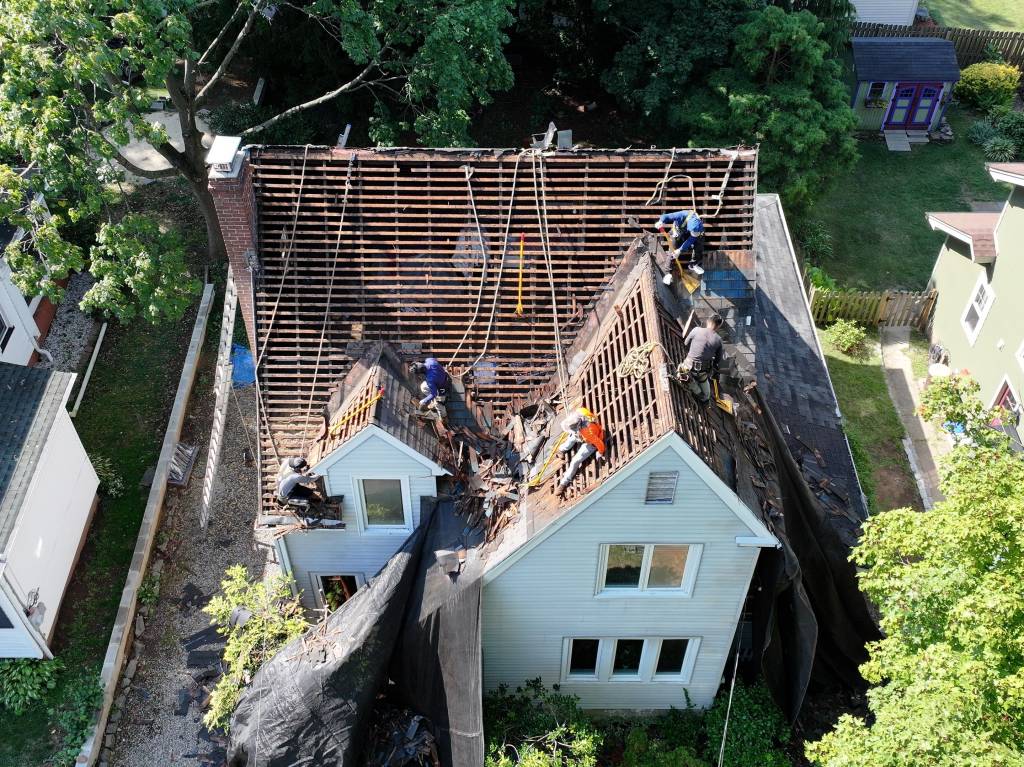
The good news is simple. Catch it early, and you stop the spread. Regular inspections, especially after storms or seasonal changes, can make a huge difference. Addressing small issues right away keeps them from turning into expensive repairs.
Think of your roof as a system, not a surface. When one part fails, the rest are at risk. Staying ahead of that chain reaction is what protects your home in the long run. Because with roof damage, the real problem isn’t how it starts. It’s how fast it grows once it does.