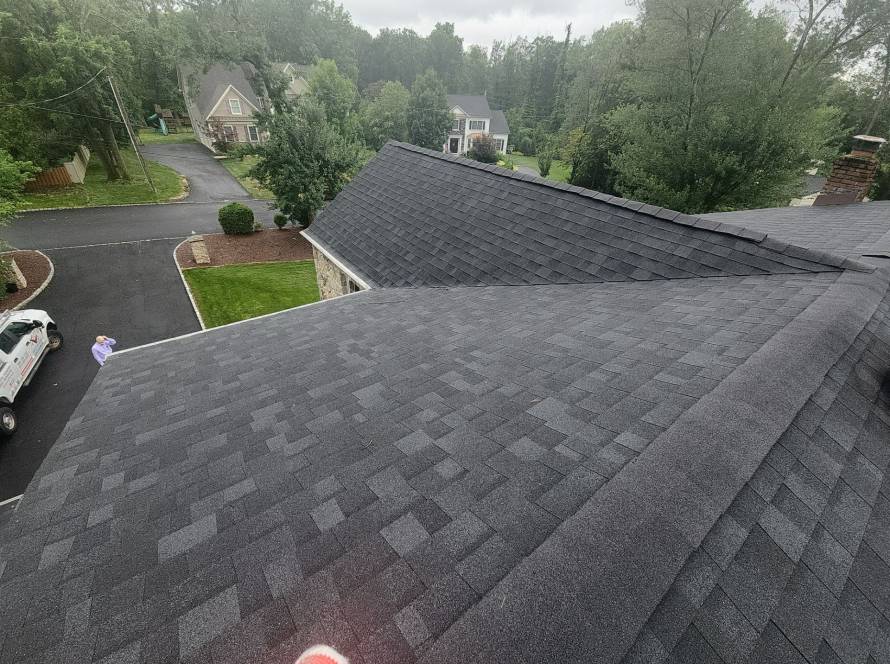
Picture this: a steady drip echoing through your living room while a fresh stain spreads across the ceiling like an unwanted Rorschach test. If you own a flat roof, you’ve probably had this nightmare, or you’re about to. The truth is, flat roof leak repair doesn’t have to be a panic-inducing ordeal, but it does demand the right knowledge, the right materials, and a healthy dose of urgency.
Whether you’re staring at a fresh puddle on your commercial building or noticing suspicious bubbling on a modified bitumen surface, this guide walks you through everything you need to know.
How Do You Fix a Leak in a Flat Roof?
To fix a flat roof leak, locate the source by inspecting seams, flashing, and ponding areas. Clean and dry the damaged spot, then apply a compatible patch (EPDM, TPO, or roofing cement) extending 6 inches past the damage. Seal edges with roofing sealant and verify drainage flow afterward.
Why Flat Roofs Leak in the First Place
Flat roofs aren’t truly flat. They have a subtle slope designed to push water toward drains and scuppers. When that drainage system fails, even briefly, water lingers, and lingering water is the enemy of every roofing material on Earth.
The most common culprits behind flat roof leaks include:
- Ponding water that sits for more than 48 hours after rainfall
- Cracked or shrunken membrane from years of UV exposure
- Damaged flashing around HVAC units, vents, and skylights
- Punctures from foot traffic, fallen branches, or debris
- Failed seams where two membrane sheets meet
- Clogged drains forcing water to back up under the membrane
Spotting the Leak Before It Spots You
Here’s the frustrating part about flat roofs: the leak you see on your ceiling is rarely directly below the actual breach. Water travels along joists, beams, and the underside of the deck before finally giving up and dropping. That’s why detective work matters.
Visual Clues to Hunt For
Climb up safely (or call someone who will) and scan for these telltale signs:
- Blistering or bubbling in the membrane surface
- Tears, splits, or open seams
- Granule loss on modified bitumen roofs
- Standing water marks or discoloration
- Loose or lifting flashing edges
- Cracked caulk around penetrations
Pro tip: If you can’t find a visible defect, run a slow garden hose over sections of the roof while someone watches the ceiling indoors. Start at the lowest point and work upward. This isolates the leak quickly without guesswork.
Flat Roof Leak Repair by Material Type
Not all flat roofs are built the same, and the patch that works wonders on one membrane can fail miserably on another. Match your repair method to the material underfoot.
EPDM (Rubber) Roofs
Clean the area with EPDM primer, then apply a self-adhering EPDM patch that extends at least 3 inches beyond the damaged zone. Roll it firmly with a seam roller to eliminate air pockets. Lap sealant around the edges locks everything in.
TPO and PVC Roofs
These thermoplastic membranes need heat welding for a true repair. A hot air gun melts a TPO or PVC patch directly into the existing surface, creating a single continuous layer. DIY here is risky. Improper welding temperatures lead to immediate failure.
Modified Bitumen and Built-Up Roofs
Roofing cement is your friend. Apply a generous coat over the damaged area, embed a layer of reinforcing fabric or fiberglass mesh, and top with another layer of cement. For larger sections, a torch-down patch may be necessary, which definitely calls for a professional.
Step-by-Step DIY Flat Roof Leak Repair
Step 1: Safety First
Use a sturdy ladder, wear non-slip footwear, and never work on a wet roof. If your roof is over 12 feet high or steeper than expected, hire a pro.
Step 2: Clean the Surface
Sweep away debris, scrub off algae, and let the area dry completely. Any moisture trapped under your patch guarantees a future leak.
Step 3: Cut and Apply the Patch
Trim your patch material so it overlaps the damaged area by at least 6 inches on all sides. Round the corners. Sharp corners peel.
Step 4: Seal and Inspect
Apply lap sealant around every edge. Wait 24 hours, then spray test with a hose to confirm the repair holds before trusting the next storm.
When to Call a Professional
Some leaks scream for expert hands. If you notice sagging deck areas, multiple leak points, or interior mold, you’re past the DIY stage. Saturated insulation under the membrane means the entire section may need to be removed and replaced, not just patched.
Roofing professionals also bring infrared scanners that detect moisture trapped beneath the membrane, something you simply can’t replicate with a flashlight and good intentions. The cost of a professional repair pales next to replacing a rotted roof deck and the interior damage that follows.
Preventing the Next Leak
The best flat roof leak repair is the one you never need. A simple maintenance routine catches issues while they’re still cheap to fix.
- Inspect your roof twice a year, ideally spring and fall
- Clear drains, scuppers, and gutters every season
- Trim back overhanging branches
- Check flashing and seams after major storms
- Recoat your roof with a reflective sealant every 5 to 7 years
It’s worth understanding why some structures shrug off harsh weather while others crumble after one bad winter. Material selection, installation quality, and design choices all play a role, and weather resistance is built from the foundation up, not added later as an afterthought.
Frequently Asked Questions
Can I repair a flat roof leak in the rain?
No. Repair products require a clean, dry surface to bond properly. Emergency tarping can stop the bleeding temporarily, but a permanent fix has to wait until the roof is completely dry, which often means 24 to 48 hours after rainfall.
How long does a flat roof repair last?
A properly executed patch using the correct material can last 10 to 15 years. Quick-fix products like roofing tape or basic sealants usually buy you 1 to 3 years before failing.
What’s the best sealant for a flat roof leak?
It depends on your membrane. EPDM lap sealant for rubber roofs, polyurethane sealants for TPO and PVC, and elastomeric roof coatings or roofing cement for modified bitumen and built-up systems.
Why does my flat roof keep leaking in the same spot?
Recurring leaks usually mean the original repair didn’t address the true source. Water is likely entering elsewhere and traveling along the deck before dripping in the same visible location. A thorough inspection or moisture scan is needed.
Final Thoughts
Flat roof leak repair isn’t rocket science, but it does reward patience, the right materials, and an honest assessment of your DIY limits. Identify the source carefully, match your patch to your membrane type, and seal every edge like your ceiling depends on it, because it does. Pair smart repairs with consistent maintenance, and your flat roof can deliver decades of dry, dependable service. The next time you hear that ominous drip, you’ll know exactly what to do.