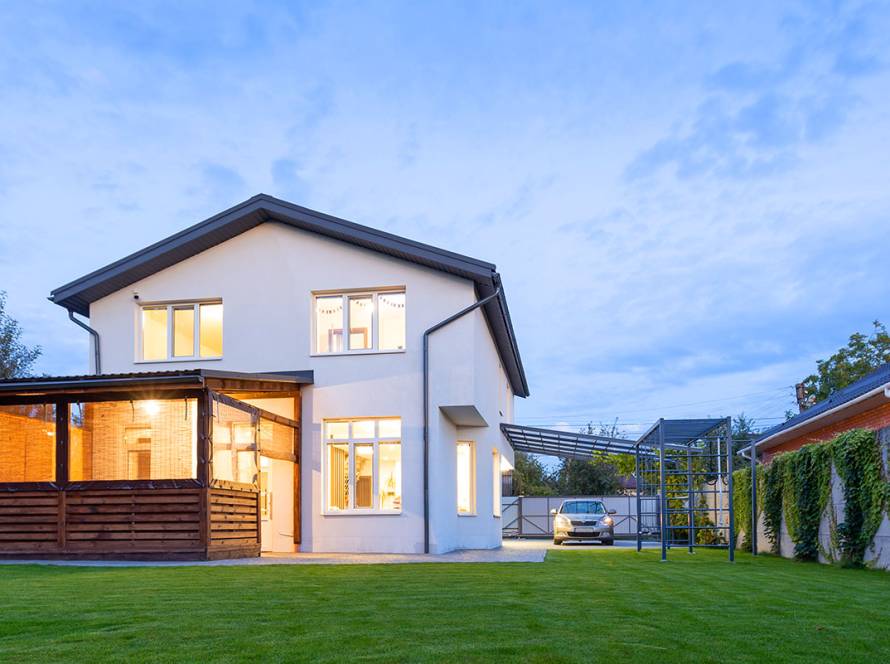
Two homes sit side by side. Same neighborhood, same storm, same wind, same rain, same blazing sun the next morning. One roof holds steady. The other starts to fail. It’s not luck. It’s not random. Some roofs are simply built, installed, and maintained in a way that allows them to handle weather far better than others.
It Starts With Material Choice
Not all roofing materials are created equal. Some are built to endure. Others… not so much. Asphalt shingles, for example, can vary widely in quality. Higher-grade shingles are thicker, more durable, and better at resisting wind and UV damage. Lower-grade options might look the same at first, but they wear down faster under pressure.
Then there are alternatives like metal, tile, or architectural shingles. Each has its own strengths, but the key is how well the material matches the environment. A roof in a storm-heavy region needs different qualities than one in a dry, sunny climate.
Installation Makes or Breaks Everything
Here’s an unexpected truth. Even the best materials can fail if they’re installed poorly.
Roofing is precise work. Small mistakes add up quickly.
- Misaligned shingles can let wind slip underneath
- Improperly nailed sections can loosen over time
- Weak flashing installation creates easy entry points for water
A well-installed roof works as a tight system. Every piece supports the next. When installation is rushed or careless, that system never fully comes together. And when the weather hits, the weak spots show up fast.
Ventilation Plays a Bigger Role Than You Think
Most people don’t associate airflow with roof strength. But they should.
Proper attic ventilation helps regulate temperature and moisture. Without it, heat builds up under the roof during the day, then cools rapidly at night. That constant expansion and contraction stresses the materials. Over time, it leads to cracking, warping, and early aging.
Moisture is another issue. Poor ventilation traps humidity, which can weaken wood and create the perfect conditions for mold. A roof that breathes properly lasts longer. It’s that simple.
Design and Slope Matter
Roof shape isn’t just about aesthetics. It directly affects how well a roof handles weather. Steeper roofs shed water and snow more efficiently. Flat or low-slope roofs tend to hold moisture longer, increasing the risk of leaks and material breakdown.
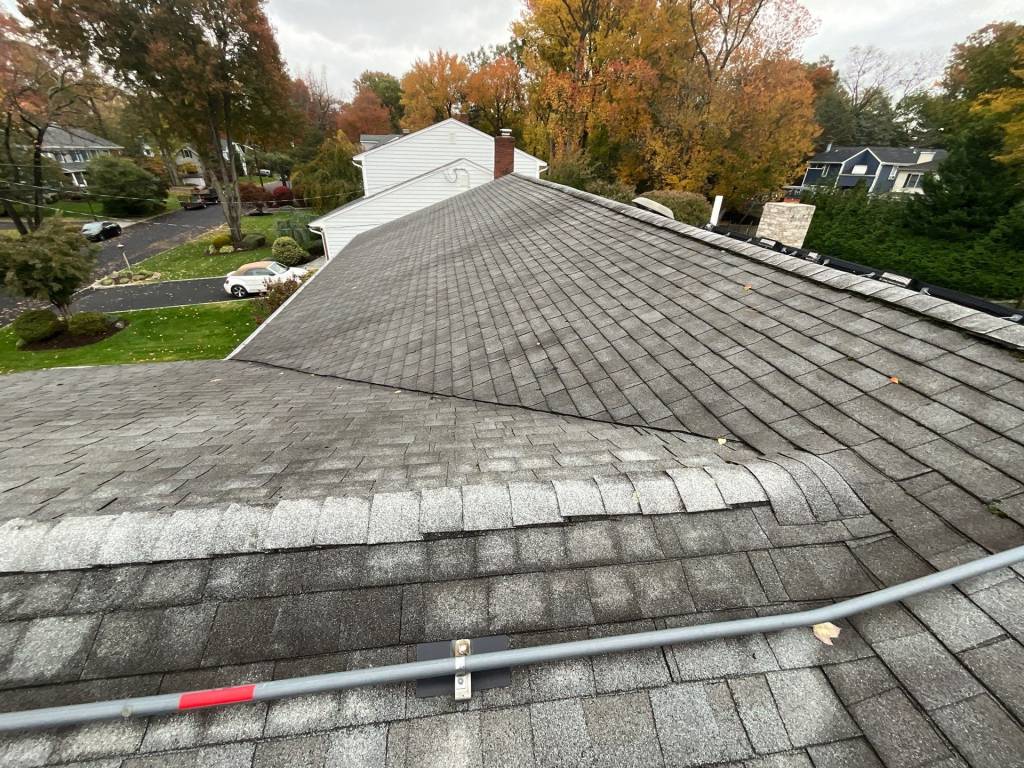
Then there’s the layout. Valleys, joints, and transitions are natural weak points. A well-designed roof minimizes these vulnerabilities or reinforces them properly. It’s subtle, but design choices influence how water flows, how wind moves across the surface, and how stress is distributed.
Maintenance Is the Quiet Advantage
Some roofs perform better simply because they’re cared for. Debris gets cleared. Gutters stay clean. Small issues are addressed before they grow. It doesn’t take much. Just consistency.
A neglected roof, even a high-quality one, will struggle over time. Leaves trap moisture. Clogged gutters cause water backup. Minor damage gets worse with each storm.
On the other hand, a maintained roof has a fighting chance against the elements.
Weather Resistance Is Built, Not Given
There’s no such thing as a “weatherproof” roof. But there are roofs that are far more weather-resistant than others.
That difference comes from how everything works together. Materials, installation, airflow, structure, and upkeep all play a role. When those elements align, a roof doesn’t just endure bad weather; it adapts to it, absorbs the stress, and keeps protecting what’s underneath without hesitation. Because in the end, it’s not about avoiding storms. It’s about being ready for them.