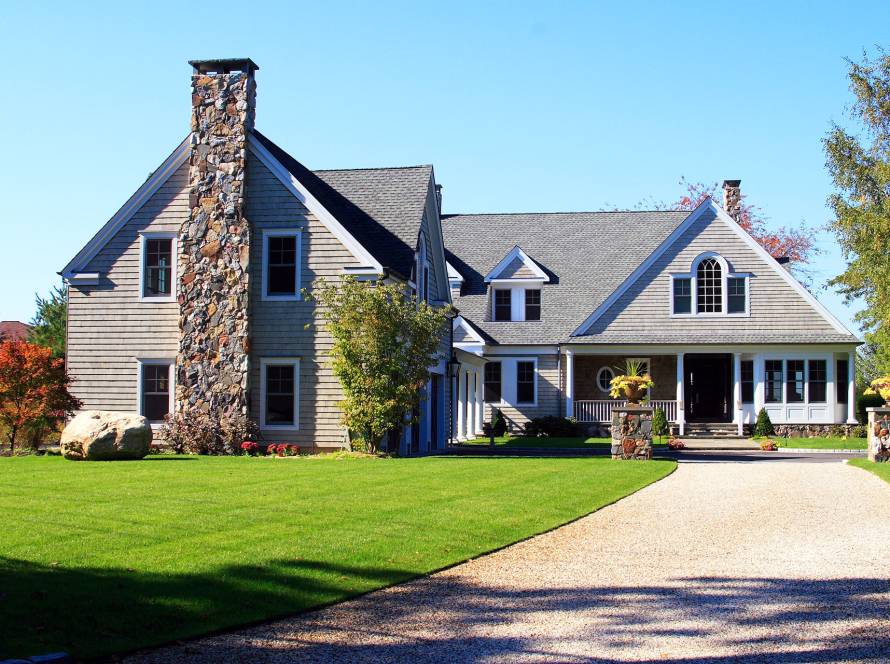
From the street, everything checks out. The lines look straight. The shingles seem intact. No obvious damage, no missing pieces, nothing that screams “problem.” So it must be fine… right? Not always. In fact, some of the most serious roofing issues hide behind a perfectly normal appearance. What you see on the surface is only part of the story. The real condition of a roof often lives underneath, quietly shifting in ways you wouldn’t notice until it’s too late.
The Surface Can Be Deceptive
Roofs are designed to take a beating and still look composed. That’s part of their job.
But that durability can also be misleading. A roof might appear solid even while the materials beneath are starting to break down. The outer layer acts like a mask, covering up small failures that are already in motion.
You might see:
- Shingles that look aligned but have weakened seals
- A clean exterior hiding worn underlayment
- No visible gaps, yet subtle vulnerabilities at joints
It’s not about what’s obvious. It’s about what’s developing underneath.
Problems Start Below the Shingles
Think of your roof as a system, not a single layer. Beneath those shingles sits a network of materials working together to keep water out and the structure intact. When moisture sneaks in, even in tiny amounts, it doesn’t always show up right away. It can settle into the decking, soften wood fibers, and slowly compromise the structure.
All of this can happen while the top layer still looks perfectly normal. That’s the tricky part. The damage doesn’t announce itself. It builds quietly.
Small Gaps Create Big Consequences
A roof doesn’t need a large opening to fail. A tiny crack. A slightly lifted edge. A worn seal around flashing. That’s enough. Water is persistent. It finds the path of least resistance and keeps moving. Over time, those small entry points allow moisture to spread further than you’d expect.
What begins as a minor flaw can lead to:
- Hidden mold growth
- Insulation damage
- Gradual weakening of support structures
And still, from the outside, everything may look untouched.
Aging Happens Gradually, Then All at Once
Roofs don’t age in a dramatic way. It’s a slow fade. Sun exposure dries out materials. Temperature shifts cause expansion and contraction. Wind loosens what used to be secure. Bit by bit, the system loses its strength.
The surprising part is how long a roof can maintain its appearance during this process. It might look “good enough” right up until it suddenly isn’t. That moment, when a leak appears or a section fails, often feels abrupt. But the decline has been happening all along.
Ventilation and Moisture You Can’t See
Sometimes the issue isn’t even coming from outside. Poor attic ventilation can trap heat and moisture, creating problems from within. Condensation builds up, wood begins to warp, and mold can develop without a single drop of rain entering the system.
This kind of damage is especially deceptive. The roof above looks fine, but the environment below is slowly working against it.
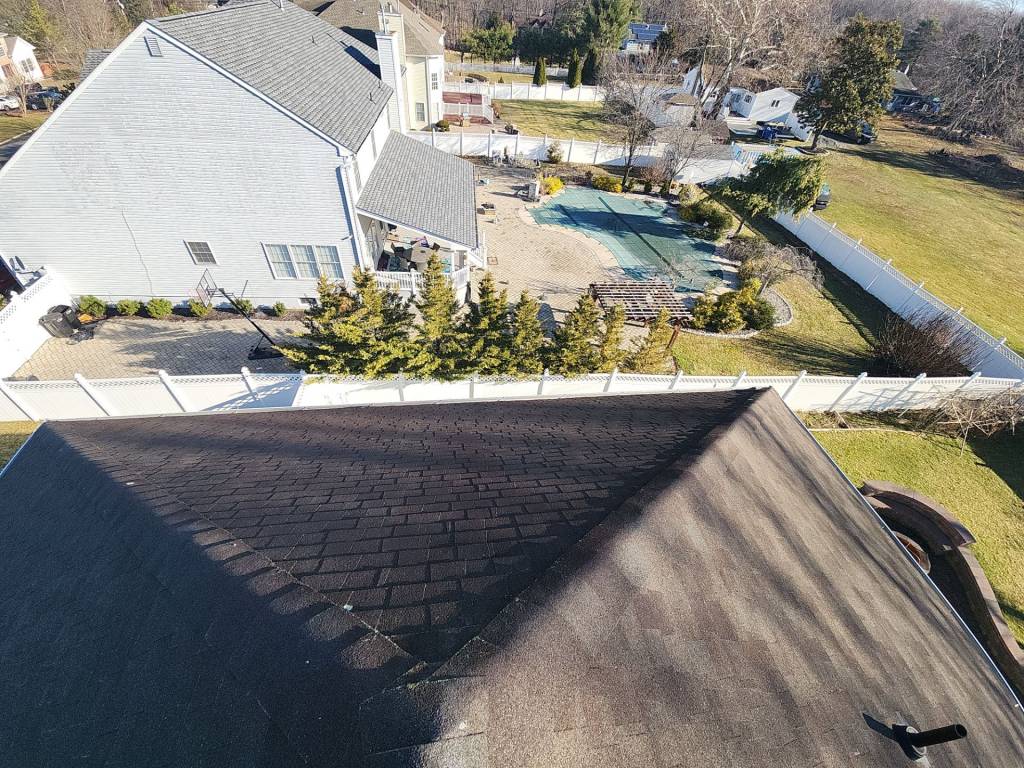
What You Don’t See Matters Most
A roof can look perfectly fine and still be in trouble. That’s the reality. Visual checks are helpful, but they only go so far. The deeper issues, the ones that lead to costly repairs, often start where you can’t see them.
That’s why regular inspections matter. Not just when something looks wrong, but when everything seems right. Because in roofing, appearances can be convincing. And sometimes, a roof that looks fine is already telling a different story beneath the surface.