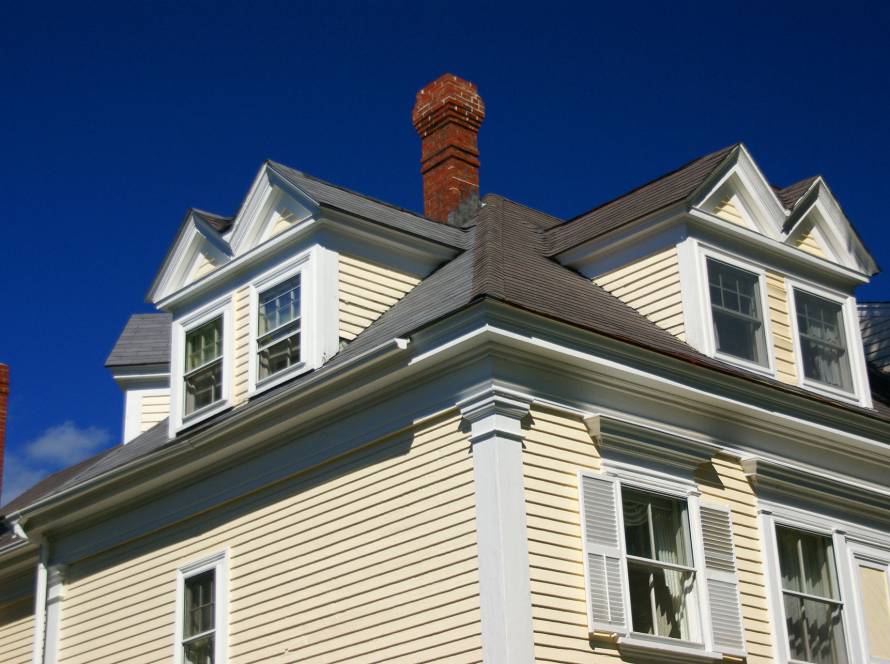
Most people wait for the drip. The visible proof. Water on the ceiling, a bucket on the floor, that unmistakable moment when a roof problem can’t be ignored anymore. But here’s the catch. By the time your roof leaks, it’s already been struggling for a while. Roofs don’t fail overnight. They whisper before they shout. And if you know what to look for, you can catch those early warnings long before water makes its way inside.
Shingles That Look… Off
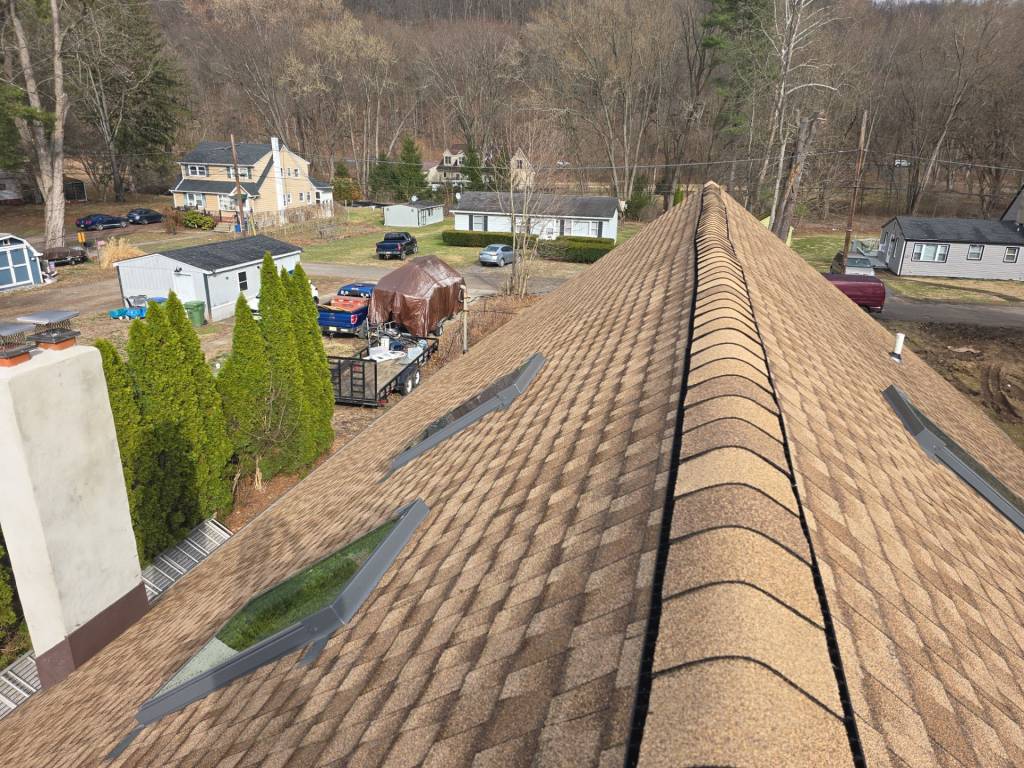
Take a step back and really look at your roof. Not just a glance. Study it. Do the shingles sit flat and uniform, or do some seem curled, cracked, or slightly lifted? Even subtle changes matter here. A single warped shingle can be the first sign that your roof is losing its protective edge.
Weather, age, and sun exposure slowly break down the material. Over time, shingles become brittle. They lose their grip. They stop doing their one job, which is to keep water out.
Common visual cues include:
- Edges curling upward or inward
- Small cracks or splits
- Patches that look uneven or out of place
It might not leak today. But it’s getting closer.
Granules Showing Up Where They Shouldn’t
If you’ve ever cleaned your gutters and noticed a sand-like residue, that’s not just dirt. Those are granules. And they belong on your shingles. Granules protect the roof from sun damage and help maintain durability. When they start to wear off, your shingles are left exposed. Think of it like losing a protective shield.
You might spot this issue by:
- Finding granules in gutters or downspouts
- Noticing bald or darker spots on shingles
- Seeing inconsistent coloring across the roof
This is one of those quiet signs. Easy to miss. But it signals that your roof is aging faster than it should.
Sagging or Uneven Roof Lines
A healthy roof has a clean, straight profile. No dips. No waves. Just a solid, even line. So when you notice a slight sag or uneven section, it’s worth paying attention. This usually points to a deeper issue beneath the surface. Moisture may have already reached the decking, causing it to weaken. Over time, that structural softness shows up as a visible dip.
It doesn’t always look dramatic at first. Sometimes it’s just a subtle curve where there shouldn’t be one. But that small change can mean the support system underneath is no longer as strong as it once was.
Flashing That’s Cracked or Loose
Flashing is one of those details most people don’t think about. It sits around chimneys, vents, and roof joints, quietly doing its job.
Until it doesn’t.
When flashing becomes loose, cracked, or starts pulling away, it creates easy entry points for water. Even if the rest of the roof looks fine, compromised flashing can undermine the whole system.
Watch for:
- Gaps around vents or chimneys
- Rusted or bent metal pieces
- Sections that appear lifted or separated
These are small failures with big consequences if ignored.
A Roof Doesn’t Wait for Permission to Fail
Here’s the reality. Your roof doesn’t suddenly decide to leak. It gradually loses its ability to protect. The signs are there. Subtle at first. Then more obvious. And if you catch them early, you stay in control of the situation. Ignoring them? That’s when things get expensive.
A quick check today can save you from major repairs tomorrow. Because when it comes to roofing, the smartest move is always acting before the damage makes itself known.