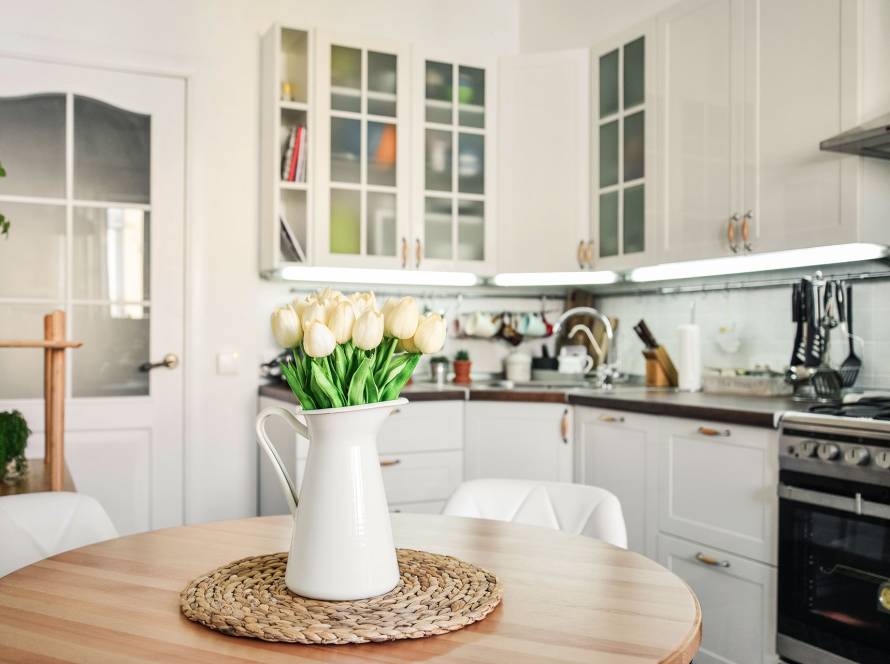
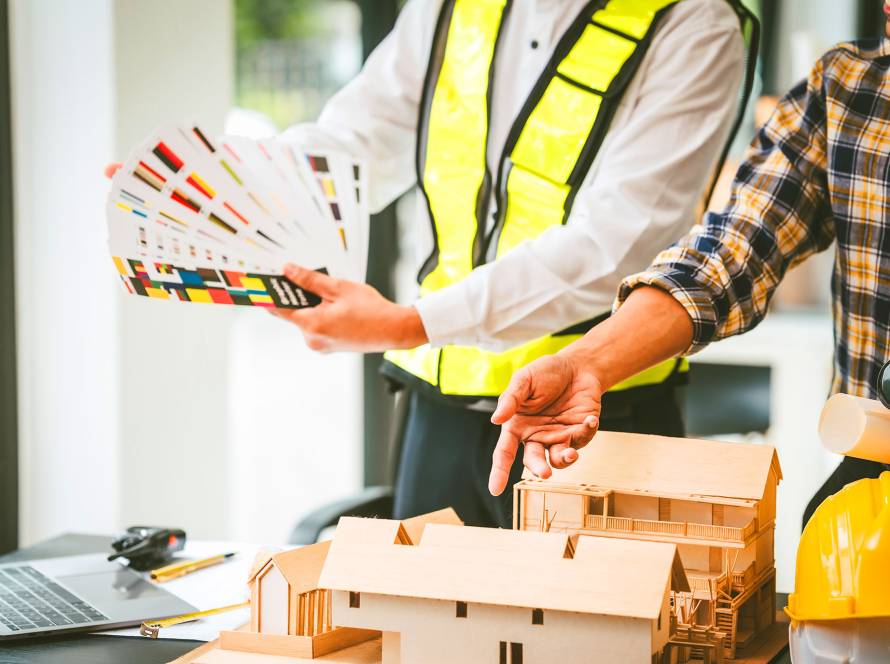
There’s something undeniably magical about an old home, the creaky hardwood floors, the hand-carved moldings, the stories whispering through every wall. But let’s be honest: charm alone doesn’t keep the rain out, the heat in, or the kitchen functional. If you’re staring down an old home remodel, you’re standing at the intersection of preservation and modernization, and the choices you make now will define how your home feels (and functions) for decades to come.
Whether you’ve inherited a Victorian gem, fallen for a 1920s Craftsman, or you’re breathing new life into a mid-century ranch, this guide will walk you through everything you need to know to remodel with confidence, and without losing the soul of the home.
Why an Old Home Remodel Is Different (and Worth It)
Remodeling an older home isn’t like updating a new build. You’re working with materials, layouts, and craftsmanship that simply don’t exist anymore. That’s the magic, and the challenge.
Old homes were built when labor was cheap, and materials were abundant. Solid plaster walls, real wood doors, and hand-laid masonry were the norm. But behind those beautiful bones often lurk outdated systems, hidden hazards, and decades of “creative” DIY repairs from previous owners.
The good news? A thoughtful remodel can preserve everything you love about your historic home while bringing it firmly into the 21st century.
Start With a Thorough Inspection
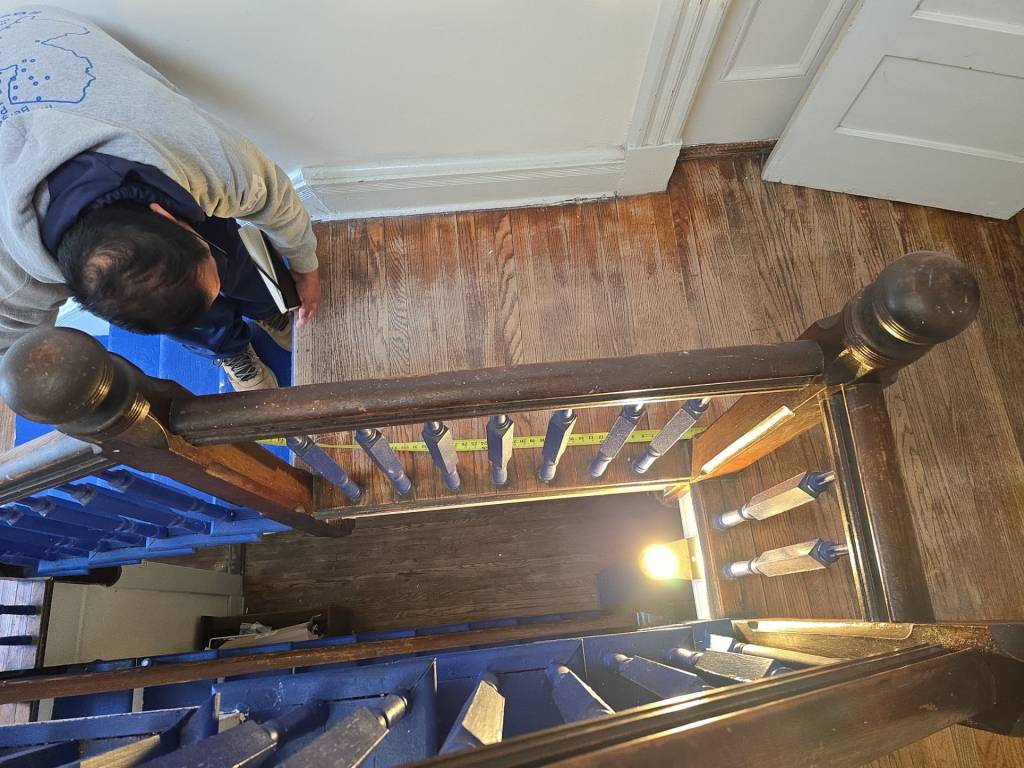
Before you swing a single hammer, get a comprehensive inspection from a contractor who specializes in older properties. A standard home inspection won’t always catch the nuances of a 100-year-old structure.
Pay special attention to these common issue areas:
- Foundation and structural integrity: settling, cracks, and rot
- Electrical systems: knob-and-tube wiring is a serious fire risk
- Plumbing: galvanized steel and lead pipes need replacement
- Roof and attic: check for leaks, proper insulation, and ventilation
- Hazardous materials: asbestos, lead paint, and mold
Pro Tip: Don’t skip the chimney inspection. Older chimneys often have deteriorating mortar, missing liners, and structural issues that can become safety nightmares. Learn more about the warning signs in this guide on whether your chimney could be hiding a hidden hazard before you finalize your remodel plans.
Plan Your Old Home Remodel Around Priorities
It’s tempting to dive straight into the dream kitchen or spa-like bathroom, but in an old home, function must come before fashion. Here’s how to prioritize:
1. Health and Safety First
Address asbestos abatement, lead paint encapsulation, mold remediation, and any structural issues immediately. These aren’t optional; they’re foundational to every other improvement you’ll make.
2. Systems and Infrastructure
Update electrical panels, replace outdated plumbing, and bring HVAC up to modern standards. It’s painful to spend money on things you can’t see, but rewiring a home after you’ve finished the drywall is a costly mistake.
3. Envelope and Efficiency
Insulation, windows, roofing, and weatherproofing dramatically affect comfort and utility bills. Modern spray foam, storm windows, and air sealing can transform an old drafty home into a cozy retreat.
4. Aesthetic and Lifestyle Upgrades
Now you can focus on the fun stuff, kitchens, bathrooms, flooring, and finishes that make the home truly yours.
Preserve What Makes the Home Special
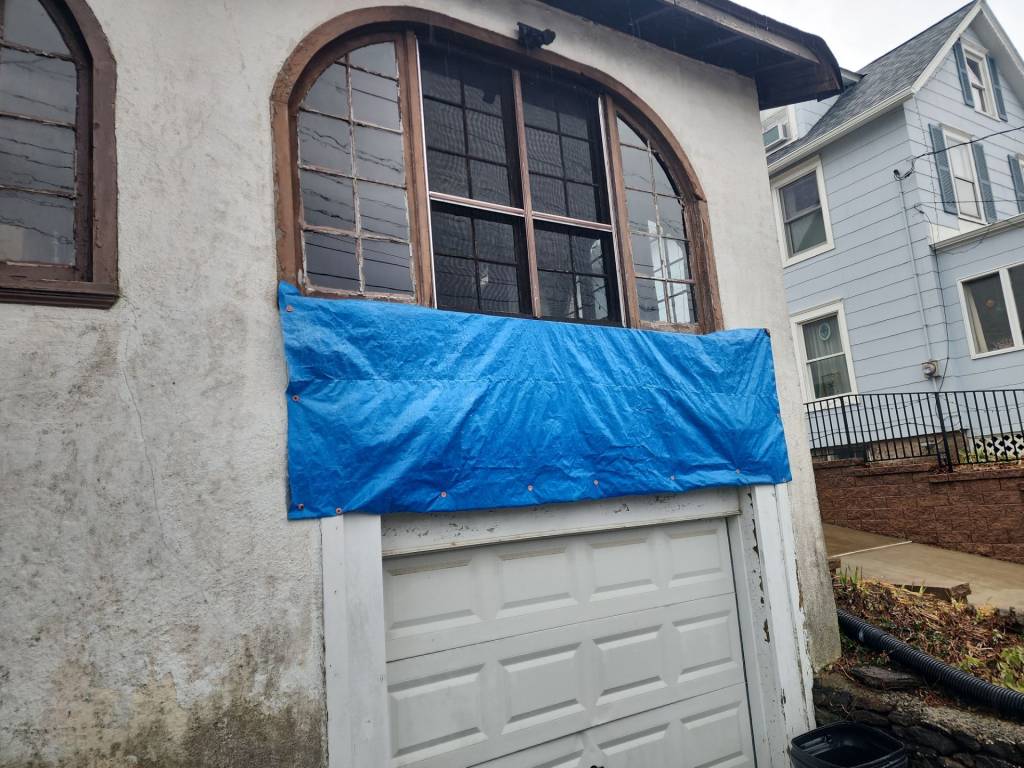
The biggest mistake homeowners make during an old home remodel is stripping away the very character that made them fall in love in the first place. Resist the urge to gut everything.
Instead, identify the architectural elements worth saving:
- Original hardwood floors (they can almost always be refinished)
- Crown molding, baseboards, and trim work
- Built-in cabinetry, bookshelves, and window seats
- Stained glass, leaded windows, and original hardware
- Fireplaces, mantels, and tile surrounds
- Plaster walls and ceiling medallions
If something is too damaged to save, look for salvage yards or specialty millwork shops that can replicate the period style.
Blending Old and New: Design Strategies That Work
One of the trickiest parts of remodeling a historic home is making modern updates feel intentional rather than jarring. The secret is balance.
Keep the Bones, Modernize the Function
A 1910 farmhouse kitchen can have shaker cabinets, soapstone counters, and farmhouse sinks while still hiding a smart fridge, induction cooktop, and under-cabinet LED lighting. Modern appliances in classic packaging give you the best of both worlds.
Use Period Appropriate Materials
Subway tile, hex floor tile, beadboard, picture rail, and brass fixtures all read as authentic to most pre-1940s homes. They’re also widely available at modern price points.
Open Up, But Carefully
Open-concept layouts feel modern, but knocking down walls in an old home can compromise structural integrity and erase the cozy intimacy that makes it special. Consider widening doorways or creating cased openings instead of removing walls entirely.
Budgeting Realistically for an Old Home Remodel
Old home remodels almost always cost more than new construction renovations. Why? Because surprises are guaranteed. Behind every wall, under every floor, there’s a chance of finding something unexpected.
The 20% Rule
Always add at least 20% to your budget as a contingency. For homes over 100 years old, bump that to 30%.
Phase Your Project
If the budget is tight, tackle the home in phases. Just sequence them so you don’t undo earlier work.
Get Multiple Quotes
Specialty contractors familiar with old homes may cost more upfront, but save you from expensive mistakes.
Hire Contractors Who Specialize in Older Homes
Not every contractor is equipped to handle a historic remodel. You want someone who has experience with plaster repair, original window restoration, period-accurate millwork, and navigating local historic preservation guidelines, if applicable.
Ask potential contractors:
- How many old home remodels have you completed?
- Can I see a portfolio of similar projects?
- How do you handle unexpected discoveries during demolition?
- Are you familiar with local historic district regulations?
- Do you have relationships with specialty trades (plasterers, masons, restoration carpenters)?
Common Pitfalls to Avoid
Even with the best planning, old home remodels come with traps. Watch out for these:
- Ignoring permits: historic homes often have stricter codes, and unpermitted work can haunt you at resale
- Choosing cheap materials: they’ll look out of place and degrade quickly
- Over-modernizing: stripping character lowers the home’s value and appeal
- DIY-ing dangerous work: electrical, plumbing, and asbestos require professionals
- Forgetting energy efficiency: old homes can be made comfortable without sacrificing charm
The Long-Term Payoff
A well-executed old home remodel doesn’t just give you a more beautiful and functional space; it dramatically increases property value, lowers ongoing maintenance costs, and preserves a piece of architectural history for the next generation. Buyers consistently pay premiums for restored historic homes that have been thoughtfully modernized.
More importantly, you get to live in a home that has soul. Something that’s increasingly rare in a world of cookie-cutter builds.
Final Thoughts
An old home remodel is part renovation, part restoration, and part love letter to the past. It demands patience, planning, and the right team, but the reward is a home unlike anything new construction can offer. Start with a thorough inspection, prioritize safety and systems before aesthetics, preserve original character wherever possible, and budget for the unexpected. Do it right, and you won’t just be remodeling a house. You’ll be giving an old home a second century of stories to tell.