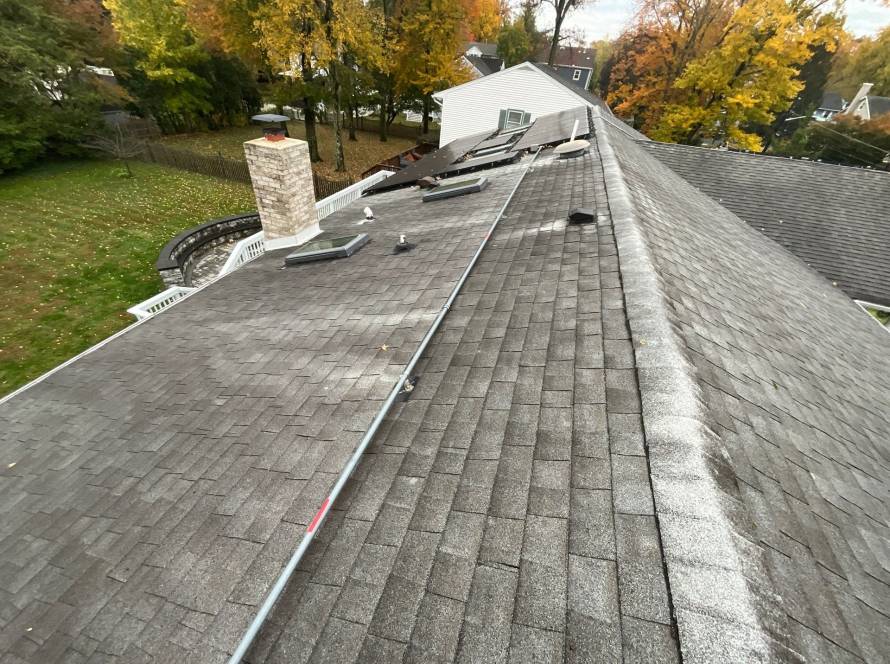
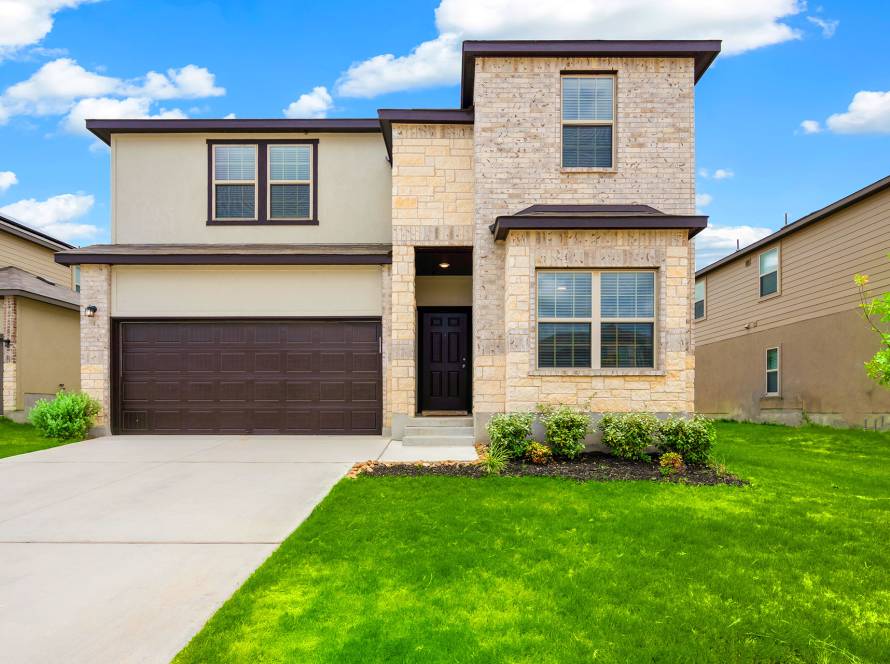
Most homeowners pay attention to the obvious parts of a house. The roof. The kitchen. The siding. These areas receive regular inspections and upgrades because they are visible and frequently used. But one part of the home often goes unnoticed for years.
The chimney. It sits quietly above the roofline, exposed to wind, rain, snow, and extreme temperature changes. Because it is rarely inspected closely, problems can develop slowly without anyone realizing it.
Chimneys Face Constant Weather Exposure
Unlike many other parts of the home, chimneys receive no natural protection from the elements. They stand above the roof and absorb direct sunlight, rain, and freezing temperatures throughout the year. Brick and mortar expand and contract as the temperature changes.
Over time, this cycle causes gradual deterioration. Small cracks may appear in the mortar joints. Masonry surfaces may begin to crumble. If left untreated, these minor issues can develop into more serious structural problems.
Water Is the Biggest Threat
Moisture causes most chimney damage. Rainwater can seep into small cracks in the masonry. Once inside, water begins to weaken the mortar that holds the chimney together. During colder months, freezing temperatures cause that trapped water to expand.
This freeze-thaw cycle slowly pushes the masonry apart. Eventually, pieces of brick or mortar may loosen and fall away from the structure.
Flashing Failures Lead to Hidden Leaks
The point where the chimney meets the roof requires special protection. Flashing, thin metal pieces installed around the chimney base, creates a seal that prevents water from entering the roof structure. When flashing deteriorates or shifts, water can leak beneath the roofing materials.
These leaks often remain hidden for long periods. By the time stains appear on ceilings or walls inside the home, significant damage may already exist within the attic or roof framing.
Chimney Caps Often Go Missing
A chimney cap is a small but important feature. It sits at the top of the chimney and prevents rain, debris, and animals from entering the flue. Without a cap, moisture can flow directly into the chimney interior. Leaves, twigs, and nesting animals may also block airflow.
This combination increases the risk of both structural damage and ventilation problems.
Common Chimney Issues Homeowners Overlook
Because chimneys are rarely inspected closely, several problems often go unnoticed.
Typical warning signs include:
- Cracked or missing mortar between bricks
- Loose or damaged chimney flashing near the roofline
- White stains on masonry caused by moisture
- Leaning or shifting chimney structures
- Missing chimney caps or damaged crowns
These symptoms often signal deeper problems.
Small Repairs Prevent Larger Structural Damage
Chimney problems rarely begin as major failures. They usually start with small cracks or minor water intrusion. When repairs occur early, the fixes are often straightforward.
Repointing mortar joints, replacing flashing, or installing a chimney cap can restore the structure and prevent future damage. Ignoring these early signs allows deterioration to spread.
Chimneys Protect More Than the Fireplace
Even homes that rarely use their fireplaces depend on the chimney’s structural stability. A damaged chimney can affect the roof structure and allow water to enter the home. Over time, this moisture can spread to nearby walls and ceilings.
Maintaining the chimney helps protect multiple parts of the house.
A Part of the Home Worth Inspecting
Because chimneys sit out of sight, they are easy to forget. Yet they remain one of the most exposed and vulnerable parts of any home. Regular inspections and timely maintenance help ensure the structure remains safe and durable. Paying attention to the chimney today can prevent much larger repairs tomorrow.