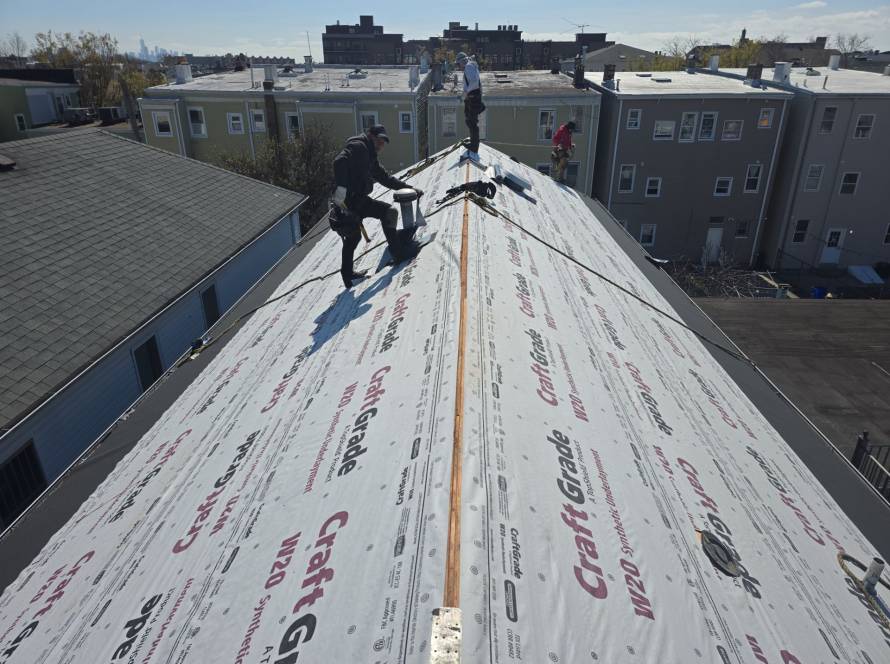
Storm damage rarely announces itself loudly. A loose shingle here. A tiny crack near a window. A faint stain that looks harmless at first. Many homeowners overlook these signs because the house still feels solid. But as colder weather approaches, small vulnerabilities often grow into larger structural problems.
Preparing before winter is less about panic and more about awareness.
The Damage You Don’t See Right Away
After a storm passes, most people check for obvious issues. Missing siding. Broken gutters. Fallen branches. Yet the real trouble often hides beneath surfaces.
Water can slip behind exterior materials and settle where it’s difficult to notice. Over time, that moisture weakens insulation, drywall, and framing. Once temperatures drop, trapped water freezes and expands, creating new cracks and widening old ones. That slow process turns minor damage into costly repairs.
Why Winter Makes Everything Worse
Cold weather amplifies existing problems. Roof edges that seemed stable during summer storms may shift under snow load. Drafty windows allow moisture to collect along interior walls. Even small gaps around doors can lead to ice buildup.
A home that feels fine in autumn may struggle once freezing temperatures arrive. Acting early gives homeowners time to reinforce vulnerable areas before the season becomes unpredictable.
Warning Signs Worth Paying Attention To
Some signals are easy to dismiss, but they often indicate deeper issues:
- Peeling paint near trim or rooflines
- Slight warping around exterior panels
- Interior drafts that feel stronger after rain
- Small ceiling stains that slowly expand
These details suggest that moisture or movement has already begun affecting the structure.
Steps Homeowners Can Take Before Winter Hits
Preparation does not require a complete renovation. Instead, focus on strengthening the home’s envelope.
Start by checking rooflines and flashing. Ensure gutters direct water away from the foundation. Look closely at window seals and exterior joints. Even sealing minor gaps can prevent cold air and moisture from entering.
Inside the home, monitor areas where the humidity feels higher than usual. Basements and attic spaces often reveal early signs of trouble.
A Season of Preparation, Not Reaction
Winter does not create damage. It exposes what already exists. By taking a closer look at small issues after storms, homeowners gain control over how their home performs in colder weather. And sometimes, the most important repair is simply the one done early enough to prevent a bigger problem later.